
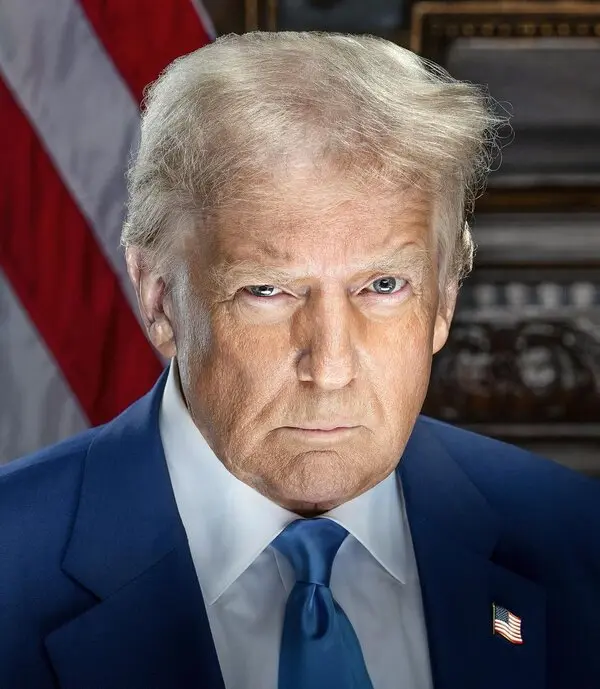

A US federal appeals court has ruled that the majority of tariffs imposed by former President Donald Trump were unlawful.
In a 7–4 decision, the US Court of Appeals for the Federal Circuit found that Trump had exceeded his presidential powers when he imposed sweeping tariffs under the International Emergency Economic Powers Act (IEEPA). Judges said the law, passed in 1977, did not grant presidents the authority to unilaterally set tariffs.
“The tariffs are invalid as contrary to law,” the court declared.
The ruling struck down Trump’s reciprocal tariffs that targeted countries worldwide, including major US trading partners such as China, Mexico, and Canada. However, it does not affect levies placed under different authorities, such as those on steel and aluminium imports.
The case originated after small businesses and several states filed lawsuits challenging Trump’s 2024 executive orders, which had introduced a baseline 10% tariff on nearly all countries and additional reciprocal tariffs. A lower court had previously ruled the tariffs unlawful, but enforcement was paused while the case moved through appeals.
Trump reacted and said the ruling was politically motivated. He wrote that the court was highly partisan and warned: “Removing these tariffs will literally destroy the United States of America.”
Lawyers for Trump’s administration had also cautioned that overturning the tariffs could destabilise the US economy, even comparing the potential fallout to the 1929 stock market crash. They argued the tariffs were vital to protecting US security and foreign policy interests.
The ruling is set to take effect on 14 October, unless it is overturned. The decision is expected to be appealed to the US Supreme Court.