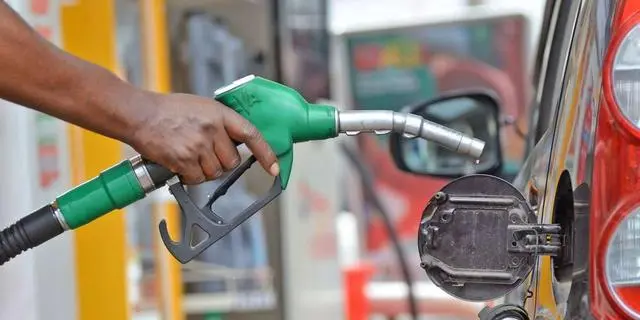

Oil marketers in Nigeria have said the price of petrol could have risen to as high as N1,500 per litre if the country was still heavily dependent on imported refined petroleum products.
Industry operators explained that the growth of local refining capacity, particularly the operations of the Dangote Refinery, has helped cushion the impact of rising global oil prices and supply disruptions that are currently affecting energy markets.
According to marketers, recent tensions in the Middle East have pushed crude oil prices upward and created volatility in international fuel markets, raising concerns that petrol prices in Nigeria could climb to around N1,200 per litre.
Over the weekend, petrol was already observed selling for more than N1,000 per litre at several filling stations in Lagos, up from an earlier average of about N939 per litre.
Industry players noted that the cost of petrol in Nigeria is largely influenced by global crude oil prices, exchange rate pressures, and increasing logistics costs.
The Nigerian Midstream and Downstream Petroleum Regulatory Authority (NMDPRA) has also explained that fluctuations in pump prices reflect market forces following the deregulation of Nigeria’s downstream petroleum sector.
Speaking on the situation, the National Publicity Secretary of the Independent Petroleum Marketers Association of Nigeria (IPMAN), Chinedu Ukadike, said the current price trend is largely beyond the control of marketers.
Ukadike explained that while petrol prices may continue to rise due to global factors, the presence of local refining facilities has helped prevent a sharper spike in prices.
He noted that if Nigeria were still importing most of its refined fuel, current international pressures could have pushed the pump price significantly higher, possibly reaching N1,500 per litre. He added that such a scenario could also have led to supply shortages due to increased global competition for refined products.
Another industry operator, Anwalu Ahmed, said the present situation is being driven by both global and domestic pressures affecting Nigeria’s petroleum supply chain.
According to him, geopolitical tensions in the Middle East, one of the world’s most critical oil-producing regions, have increased fears of supply disruptions, prompting traders to factor additional risks into crude oil and refined fuel prices.
Ahmed explained that even when supply is not directly affected, uncertainty in the market can still trigger immediate price increases.
He also pointed out that Nigeria still partly relies on imported refined products, meaning that higher international crude prices often lead to higher landing costs for fuel in the country.
Recent reports have also suggested a temporary slowdown in petrol loading from the Dangote Refinery, raising concerns that pump prices could rise further as Brent crude oil trades above $100 per barrel.
Some filling stations in Lagos were also reported to have temporarily halted sales while waiting for new pricing directives.
Ukadike, however, dismissed claims that marketers were exploiting older stock purchased at lower prices, stressing that fuel pricing adjustments are tied directly to fluctuations in crude oil prices and exchange rate movements.
He added that rising fuel prices across global markets, particularly in Europe, have also contributed to the pressure currently being felt in Nigeria’s domestic petrol market.