


An International Women’s Day dissemination event under the Art X Impact initiative was held in Poulosa, Suleja, Niger State, bringing together community members, development partners, and creatives to amplify conversations around women’s rights and empowerment.
The event, organised by RippleAfrica Trust Foundation with support from the French Embassy Fund in Nigeria, used art as a tool for impact, advocacy, and social change.
Art X Impact is a flagship initiative by the French Embassy in Nigeria that promotes gender equality through creative expression, including storytelling, visual arts, performances, and community engagement.
Residents of Poulosa came out in numbers to mark International Women’s Day through the Art X Impact initiative.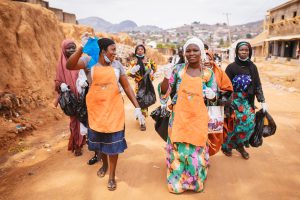
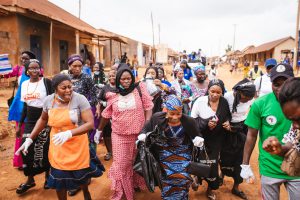
The event started with music and a community walk. Gbagyi cultural music was played as stakeholders, RippleAfrica staff, and community members moved around the area, dancing and engaging residents on Art X impact and the Waste-To-Wealth. People joined along the way, and the walk also turned into a clean-up exercise as participants picked up waste before heading to the main venue.
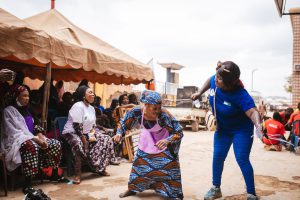
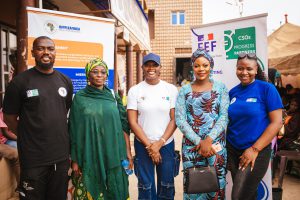
At the venue, dignitaries, community members, and young people gathered in an interactive setting where art was used to communicate real-life experiences of women and girls, particularly in underserved communities, as activities kicked off fully.
Many dignitaries were in attendance, including Hajiya Jummai Sani, the representative of the Director of Women Affairs, Alhaji Yusuf Zakari, the Dakachi of Kwankashe, Mallam Bala Zakari, the Dakachi of Rafinsanyi, Ndagi Mamudu, the representative of NESREA Suleja, and Abigail Gadaga, the representative of the Suleja local government.
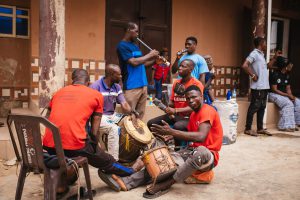
Cultural dancers performed the Gbagyi dance and thrilled the audience while drummers kept the energy high.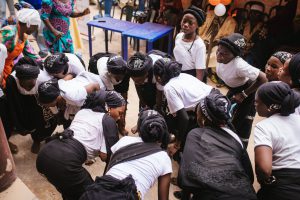
One of the key moments was the unveiling of an artwork made from waste materials. The artist, Mariagold Arts, explained the meaning behind it, saying, “This artwork is created from discarded materials, reimagined into a symbol of strength, resilience, and possibility. Each element represents voices that are often overlooked but remain powerful.”
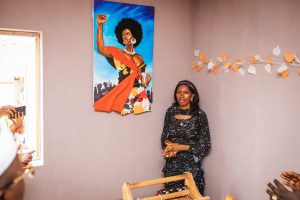
She added, “The transformation of waste into art shows that what is often undervalued can become a force for change. This is more than art. It is a call to see differently, think differently, and act intentionally.”
Beyond the performances, the event focused on conversations around women’s inclusion, equality, and participation.
Organisers said the project is about using art to start conversations and connect advocacy to real opportunities for women.
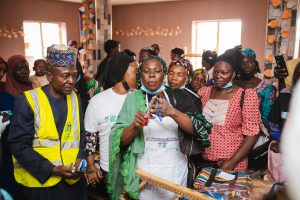
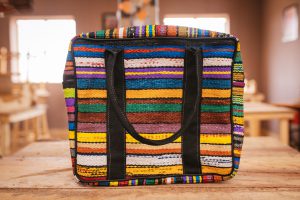
The event spoke on issues such as gender inequality, access to opportunities, and the importance of women’s voices in decision-making spaces, and also tied this to the Waste-to-Wealth project. Organisers explained that waste can be turned into useful products, creating income opportunities, especially for women. Beneficiaries displayed and sold items made from recycled materials, showing the practical side of the initiative.
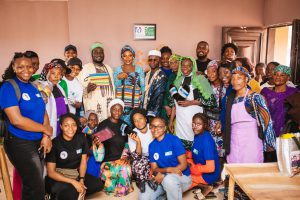
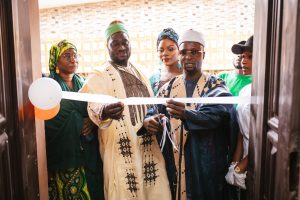
The event also featured the official opening of a waste collection hub in the Poulosa community, set up to support the Waste to Wealth initiative. The hub is expected to serve as a central point for collecting recyclable materials, treating, cutting, and weaving the materials, while also creating opportunities for women and young people to earn income through waste sorting and repurposing. Community members present at the launch welcomed the initiative, noting that it would not only help keep the environment clean but also provide a steady source of livelihood.
There were also policy-focused conversations during the event, with stakeholders discussing how initiatives like this can be integrated into existing state frameworks in Niger State. Participants stressed the need for stronger collaboration between government agencies, community organisations, and development partners to ensure sustainability.
Some speakers called for institutional support to scale the project, suggesting that models like the waste collection hub and art-for-advocacy approach should be embedded into local development plans.
“This is about making sure women in communities like this are not left out,” one of the facilitators said.
Ripple Africa Trust Foundation (RATF) is committed to driving community development through initiatives that promote inclusion, opportunity, and sustainable impact.
The organization works closely with communities, partners, and stakeholders to design and implement projects that address social and economic challenges, with a strong focus on empowering women and young people.
Through advocacy, collaboration, and innovative approaches like Art for Advocacy, RATF continues to create platforms for dialogue, participation, and meaningful change.