

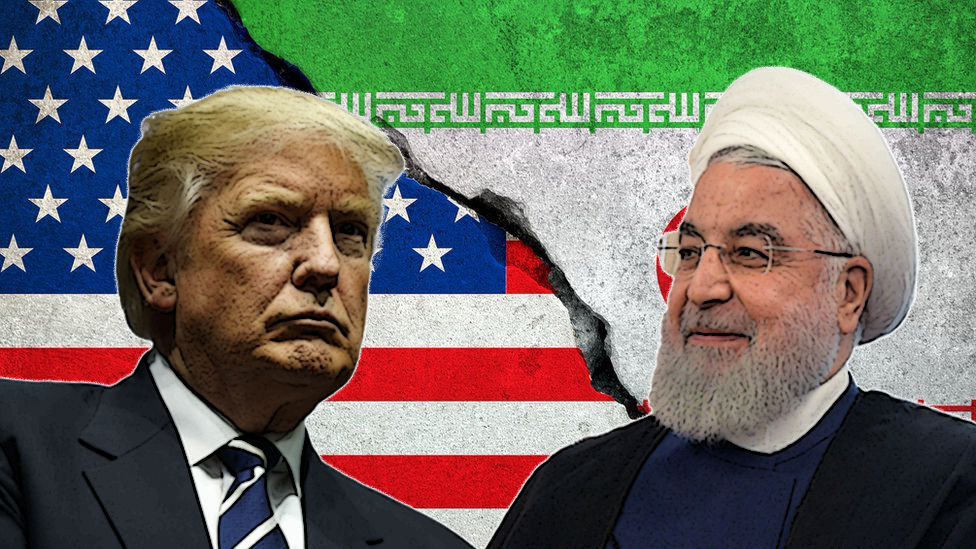
 The United States and Israel have launched a series of coordinated military strikes against Iran, targeting the country’s leadership, military infrastructure, and nuclear program in the Middle East.
The attacks, which began on February 28, have hit multiple strategic sites across Iran, including missile facilities, air defences, and bases linked to the Islamic Revolutionary Guard Corps. The strikes have reportedly caused both military and civilian casualties, although the full extent remains unclear due to restricted media access inside Iran.
According to US officials, the operation was aimed at weakening Iran’s nuclear ambitions and reducing its ability to launch attacks across the region. The administration of Donald Trump said diplomatic talks with Tehran had failed and that Washington would not allow Iran to develop nuclear weapons.
Trump said Iran posed a threat to “core national security interests of the United States,” adding that the strikes would destroy missile infrastructure, weaken Iran’s military capacity and dismantle networks of armed groups aligned with Tehran across the Middle East.
The operation has also had major political consequences in Iran after its long-serving Supreme Leader, Ali Khamenei, was confirmed dead following the strikes in Tehran. Khamenei, who had ruled Iran since 1989, was reportedly killed while at his office in the capital.
Iranian authorities have since formed a temporary three-member council to oversee the country’s leadership transition while preparations begin to appoint a new Supreme Leader. Under Iran’s constitution, the successor will be selected by the Assembly of Experts, a body of 88 clerics responsible for choosing the nation’s top religious authority.
In response to the attacks, Iran launched retaliatory strikes against Israeli territory and US military bases across the Middle East. Missiles and drones have targeted locations in several countries hosting American forces, including Bahrain, Qatar, Kuwait and the United Arab Emirates.
Iranian Foreign Minister Abbas Araghchi defended the counter-attacks, saying the country was exercising its right to self-defence. He said Iran was not targeting neighbouring Gulf countries but was focusing on the US military presence within those states.
Iran has also threatened to close the Strait of Hormuz, a strategic waterway through which around 20 percent of the world’s oil supply passes each year.
Meanwhile, Israeli Prime Minister Benjamin Netanyahu said the operation would continue “as long as necessary,” arguing that Iran was rebuilding its nuclear programme and missile capabilities.
International leaders have urged restraint as the crisis deepens. António Guterres warned that the escalating conflict risks destabilising the region further and called on all sides to return to diplomatic negotiations.
The United Nations Security Council has held emergency discussions on the situation, but no resolution has been adopted so far.
European leaders, including British Prime Minister Keir Starmer, have condemned Iran’s retaliatory strikes while urging renewed diplomatic efforts to prevent further escalation.
The United Kingdom has not taken part in the offensive operations but has deployed aircraft in a defensive role to intercept missiles targeting allied countries in the region. British military bases in Bahrain, Qatar, and Cyprus have reportedly been placed on heightened alert after being targeted during the exchange of attacks.