


A community-driven environmental initiative is turning plastic pollution into economic opportunity for women and youth in communities across Niger State, as a waste-to-wealth project continues to demonstrate how grassroots solutions can address both environmental and economic challenges.
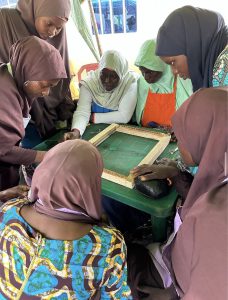
The Waste-to-Wealth initiative, implemented by RippleAfrica Trust Foundation and sponsored by the French Embassy Fund for Civil Society, has been working with local stakeholders to tackle the growing problem of plastic waste in underserved communities where waste management services are often limited, and plastic pollution continues to threaten public health and the environment.
As part of the project, RippleAfrica Trust Foundation carried out community sensitization campaigns that educated more than 1,000 community members in Poulosa and Rafinsanyi, in Niger state, on the dangers of improper waste disposal and the long-term environmental impact of plastic pollution. The outreach programs encouraged households to adopt responsible waste disposal practices and support the waste-to-wealth efforts within the communities.
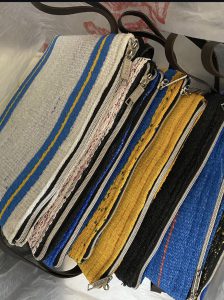
In addition to raising awareness, the initiative also focused on empowering women economically through recycling skills. RippleAfrica Trust Foundation partnered with Ecobarter to train over 200 low-income women on how to collect plastic waste like pure water sachets, nylon bags, etc., and convert it into marketable products such as bags, shoes, mats, and other reusable items.
According to the staff at RippleAfrica, the training sessions introduced participants to innovative ways of transforming plastic waste into useful products, providing an alternative source of income while reducing the volume of plastic waste in their environment.
“Before this project, many of us saw plastic waste as something useless that only made our environment dirty,” one of the participants said during a community engagement session. “Now we know it can actually become something valuable that we can sell and make money from.”
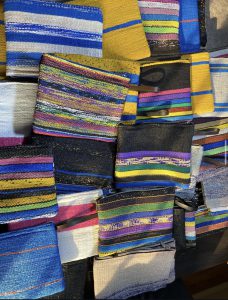
Participants in the program have since produced and sold more than 50 bags made from recycled plastic materials. The staff at RippleAfrica also noted noticeable improvements in plastic waste disposal in the community. The participants of the waste-to-wealth event reported difficulty finding plastic bags in the community to weave bags!
Community leaders say the success of the initiative demonstrates how community-led environmental action can create sustainable solutions to local challenges.
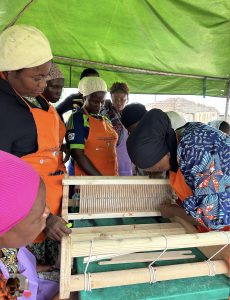
“Plastic pollution is a major environmental problem in many communities, but when people are given the right knowledge and tools, they can turn that challenge into an opportunity,” the Poulosa community leader explained. “This project shows that environmental sustainability and economic empowerment can go hand in hand.”
Encouraged by the results of the program, RippleAfrica is now working to expand the initiative.
Building on the achievements of the first phase, participants of the project were organised into production clusters that form a circular waste-to-wealth value chain. Waste collection hubs were established that will serve as organised points for waste sorting, separation, and recycling while also ensuring a steady supply of raw materials for the production clusters.
The collection hubs will be managed by beneficiary women and local youth organised into waste collection and sorting clusters under the cooperatives.
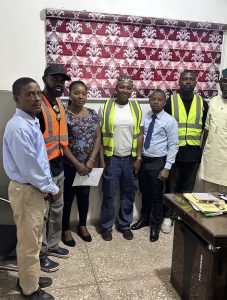
Beyond income generation, the project also seeks to strengthen institutional support by working closely with the Niger State Ministry of Environment, the Niger State Ministry of Women Affairs, the Niger State Ministry of Commerce, Environmental organisations, and multiple stakeholders to integrate the waste-to-wealth model into local development strategies.
The project also collaborates with local government authorities, community leaders, and civil society organisations to promote better waste management policies and advocate for the adoption of sustainable recycling practices across the state.
Speaking on the project, the programme manager, Deborah Dabbas, said;
“We have come a long way with the Waste to Wealth Project. We could not have done this without the support of our stakeholders and the sponsorship of the French Embassy. Lessons learned from the first phase will be documented and shared through community forums, stakeholder engagement, and media outreach to encourage replication of the model in other communities.”
Environmental advocates say initiatives like this play an important role in promoting sustainable waste management practices and supporting circular economy solutions in communities like Poulosa where environmental challenges are often most severe.
With continued support and community participation, the Waste-to-Wealth initiative is expected to help bring about policies that influence women’s empowerment and environmental sustainability, create cleaner neighborhoods and stronger livelihoods.
For more videos and photos on the project as well as collaboration interests, you can reach RippleAfrica Trust Foundation on their various social media platforms.
https://www.instagram.com/reel/DNk6PuEIjY_/?utm_source=ig_web_copy_link&igsh=MzRlODBiNWFlZA==
https://www.instagram.com/reel/DQrAFCzjQ90/?utm_source=ig_web_copy_link&igsh=MzRlODBiNWFlZA==
https://www.instagram.com/reel/DU5aH5SDe8s/?utm_source=ig_web_copy_link&igsh=MzRlODBiNWFlZA==
https://www.instagram.com/rippleafrica_ng
https://x.com/Rippleafrica_ng
https://www.facebook.com/share/ZiHEZHY7Yw4WfPXq/?mibextid=qi2Omg